What are the essential ingredients in an ideal relationship?
In the middle of a workshop recently a pertinent question was asked about what creates the ideal relationship.
We were asked to think of a relationship we had in the last week that
in one’s mind was ideal, and to think of what it was about it that made
it ideal.
A number of men in the group thought of their cars, tool sheds,
families, workmates, old friends, even relationships with objects such
as their television remote, recliner chair, or favorite pair of shoes.
To each of these men, these things felt comfortable and simple. The
relationships they had with these people or objects was rewarding and
easy to maintain.
A number of women considered kitchen appliances, favorite clothes or
shoes, old friends, neighbours, and treasured items in their lives, and
the bond that they had created either between people or with items they
used in their lives.
Words such as reliable, dependable, and comforting were used.
When my turn came to identify my ideal relationship, I thought of my
dog. My dog has very simple needs, requiring only food, shelter, and
love.
No matter how my day has been or what kind of mood I’m in, when I get
home at night, I’m greeted in such an authentic, transparent, and
enthusiastic fashion. My dog is always excited to see me, and it’s very
humbling when you consider it.
I don’t know of any others that greet me so enthusiastically night
after night. No matter how long I have been away from the house or no
matter how my day has been. His needs are few, yet he gives so much. I
call this unconditional love.
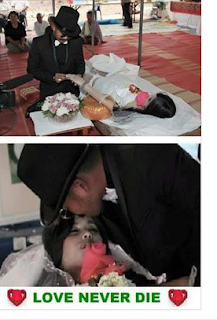
So what is unconditional love?
It is the type of love that you have for your partner when the
romantic, hollywood-style love is gone. Once the romantic love is gone
you make the transition to “real” love. Real love is love you have for
your partner despite the knowledge that they are not perfect.
You know by now your spouse has faults. You know your spouse is not
perfect. You know your spouse makes mistakes sometimes, but that’s okay.
You still love them. You love your spouse because of those
imperfections rather than in spite of them.
This is unconditional love.
The same thing applies to you however in looking at your partner’s
faults. You acknowledge that you are the same. You have faults. You are
not perfect. You know you make mistakes sometimes, but that’s okay.
That’s called self-acceptance, and you expect unconditional love to overcome the faults and imperfections that people have.
So what do you get from this then? Should we all go out and get dogs
to teach us something about unconditional love? Maybe there is a lesson
to be learnt here. We all clutter our lives with thoughts and emotions,
trials and tribulations, and there is the temptation to let our issues
become bigger than they really are and rule our lives.
If you are serious about saving your marriage, the key is in finding
ways to place the emotional clutter to one side and let your
unconditional love come through. It’s okay to have faults and make
mistakes.
It’s okay to have thoughts and feelings. But above all of this is the
love you have for your spouse, the love you have for one another. And
love will conquer them all.
It’s possible to not like your spouse or not like what they are doing
and still love them. It’s possible to not like where your life or your
marriage is at but still love your spouse. The love you have for your
spouse and your marriage can remain constant.
It’s time to learn how to reconnect with your life purpose and learn to love unconditionally.
You may be making mistakes that will jeopardize your marriage recovery





.jpg)
